
A safari does not end when the vehicle returns to camp. There is the first quiet hour after a game drive, when the dust settles and the light softens. There is dinner, the night air, and the anticipation of heading out again in the morning. Where you stay shapes these moments as much as it shapes the route you follow.
Yet “tented camp” is one of the most easily misunderstood descriptions in safari planning. Some travellers picture sleeping bags and shared bathrooms. Others see a beautiful photograph and assume every camp offers the same comfort, convenience and access to wildlife.
The better question is not simply whether to choose a camp or a lodge. It is which place will make your particular safari work.
“Tented” does not tell you the comfort level
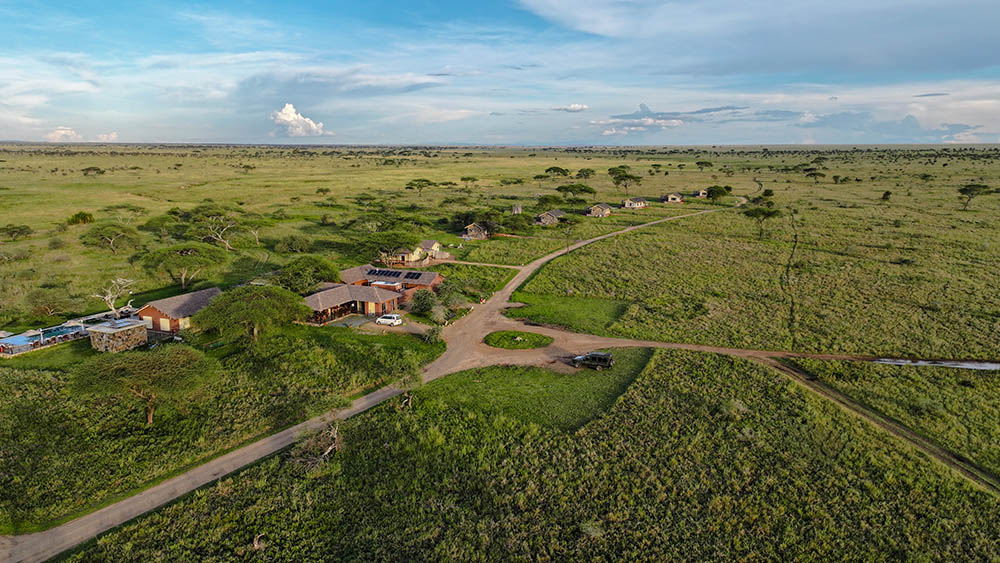
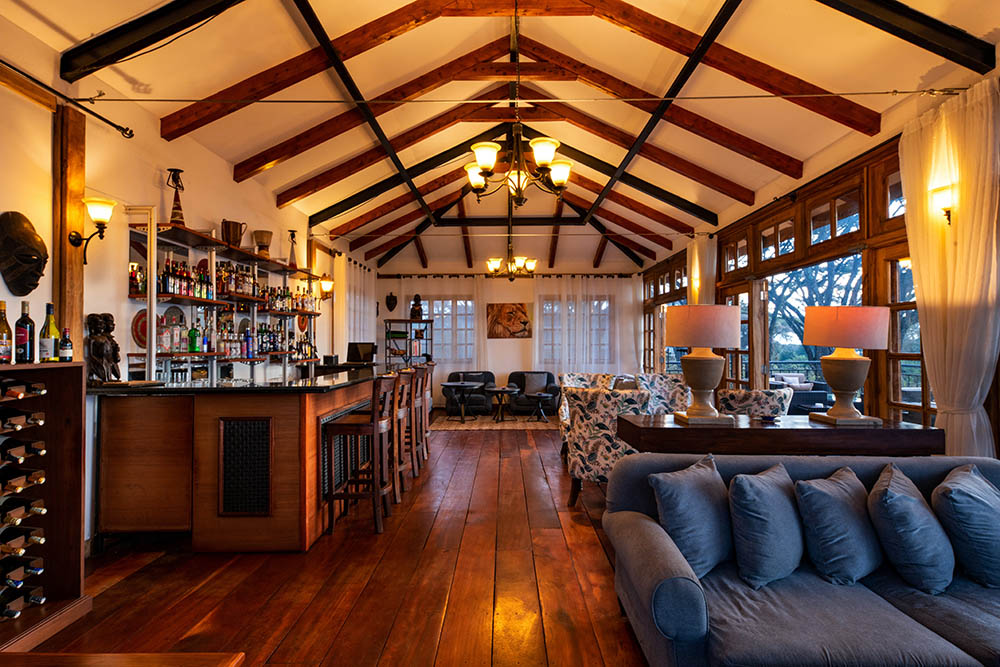
Basic camping and a serviced tented camp are different experiences. Depending on the property, a tented suite may have a proper bed, an en-suite bathroom, hot water, electricity and a private veranda. Some properties combine canvas with substantial permanent structures; others offer a lighter, more traditional camp setting.
Neither the word “tent” nor the word “luxury” is a complete specification. Ask how the shower works, when electricity is available, whether charging is possible in your room, and what ventilation or cooling is provided. If reliable connectivity matters, ask where it is available rather than assuming it reaches every suite.
Photographs are useful, but practical answers tell you how comfortably you will actually live there.
.
Start with the map, then look at the room
A beautiful suite can still be a poor match for your itinerary. The distance between camp and the area you hope to explore determines how much of each day is spent reaching wildlife habitat and how easily you can return for a break.
This matters especially when comparing accommodation across the Serengeti. A property described simply as “in the Serengeti” may be far from the part of the park that interests you. Ask your safari planner to show you the camp on a map and explain the likely driving pattern for your dates.
A less elaborate camp in a suitable location may give you a more satisfying safari than a more expensive property that requires long journeys each day. Equally, a particularly comfortable base can be the right choice if time to relax is central to the trip. The decision should follow your priorities.
.
A migration safari needs more than a migration label
The Great Migration moves, and the best base for one period may not suit another. Seasonal patterns help with planning, but rainfall and the animals themselves do not follow a guaranteed appointment calendar.
Find out whether a camp is permanent or seasonal, where it will operate during your stay, and how its location relates to the areas you want to visit. A camp’s name or a photograph of a river crossing cannot promise the same scene on your travel dates.
Also consider what you would enjoy if the herds were elsewhere. Landscapes, resident wildlife, guiding and the overall route still matter. A well-planned safari leaves room for nature to be unpredictable.
.
Inside or outside the park is a trade-off
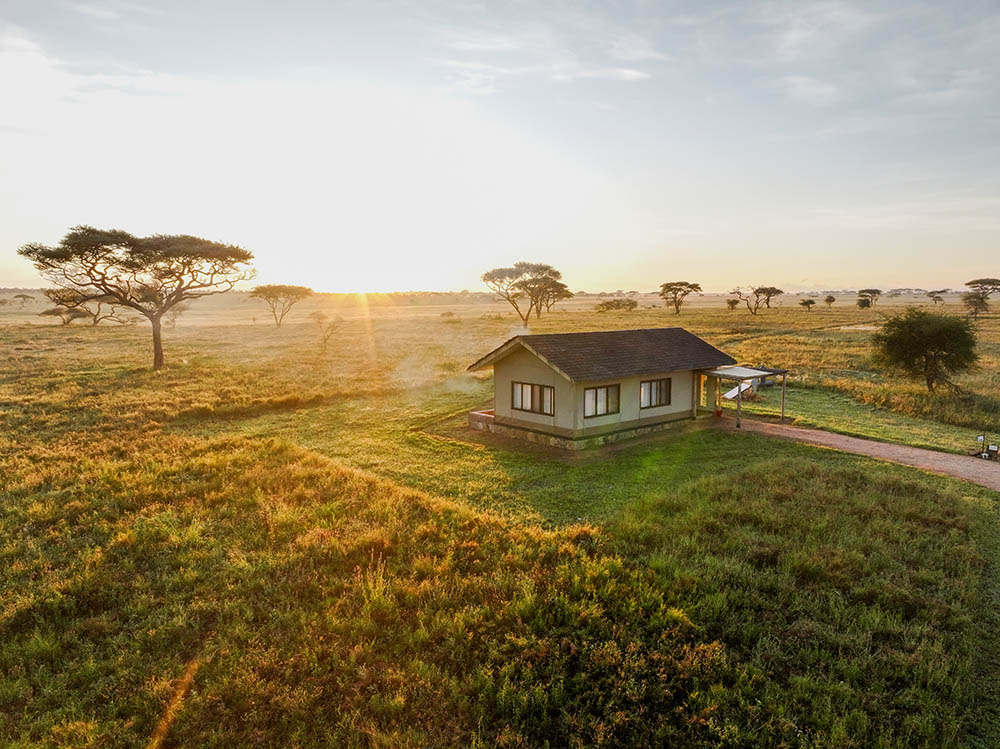
Staying inside a protected area can bring you closer to the setting you came to experience and may reduce some daily transfer time. Accommodation outside can work well for a particular route, budget or combination of activities.
Neither option wins automatically. The relevant questions are how far the property is from the gate and your intended game-drive area, what access rules apply, and which park-related charges are included in your quotation.
Compare the whole day and the total itinerary cost. A lower room rate is not necessarily better value if it adds substantial driving; an inside-park address is not a guarantee that every desired sighting is nearby.
Families need practical details
For a family, a spacious room is only the beginning. Ask about room arrangements, minimum ages, meal flexibility, walking distances and any steps between the room and shared areas. A family suite and two separate tents can create very different experiences for parents with young children.
Many safari properties are unfenced. Ask about the camp’s procedures and follow staff instructions, including any requirements for escorts after dark. Wildlife around camp is a reason for care, not an invitation to wander.
Build rest into the itinerary too. Fewer accommodation changes and time to settle in may be more valuable than adding another overnight stop.
Photographers should think beyond the view from the veranda
For photographers, camp location should support time in the field when conditions are promising. Discuss departure times within park rules, the flexibility of meals, battery charging and arrangements for carrying and protecting equipment.
Guiding and vehicle arrangements deserve as much attention as accommodation. A beautiful camp cannot compensate for a daily schedule that does not suit the way you want to photograph.
Comfort still matters: proper rest and a practical place to prepare equipment can make a difference over several consecutive days.
Know what your quotation includes
“Full board” describes meals; it should not be treated as confirmation that drinks, transfers, game drives, park charges or optional activities are all included. Ask for the inclusions and exclusions in writing, particularly when comparing packages assembled in different ways.
Before booking, establish five things: the camp’s location, the room setup, the daily travel pattern, the total inclusions and the reason it suits your dates.
The camp you remember
The most rewarding safari accommodation is not always the one with the longest list of facilities. It is the place that fits naturally into your journey: where you sleep comfortably, feel well looked after and have time to notice your surroundings.
Choose with that whole experience in mind. A camp should help you feel connected to Tanzania, while making the practical details of your safari easier.

The Author All posts



No Comment