
Africa’s mountains have been pulling travellers uphill for generations. Mount Kenya’s rugged slopes, Kilimanjaro’s snowy summit – the continent has no shortage of big adventures. So what happens when experienced African hikers start wondering what else is out there? Nepal’s Himalayas make a tempting next chapter. The point here isn’t always to reach a top. It’s more about moving through mountain communities, following old trading routes and spending days walking beneath some of the highest peaks on Earth.
If you know East Africa’s mountain trails well, Everest Base Camp feels like a challenge you can recognise, but the culture around it is something else entirely.
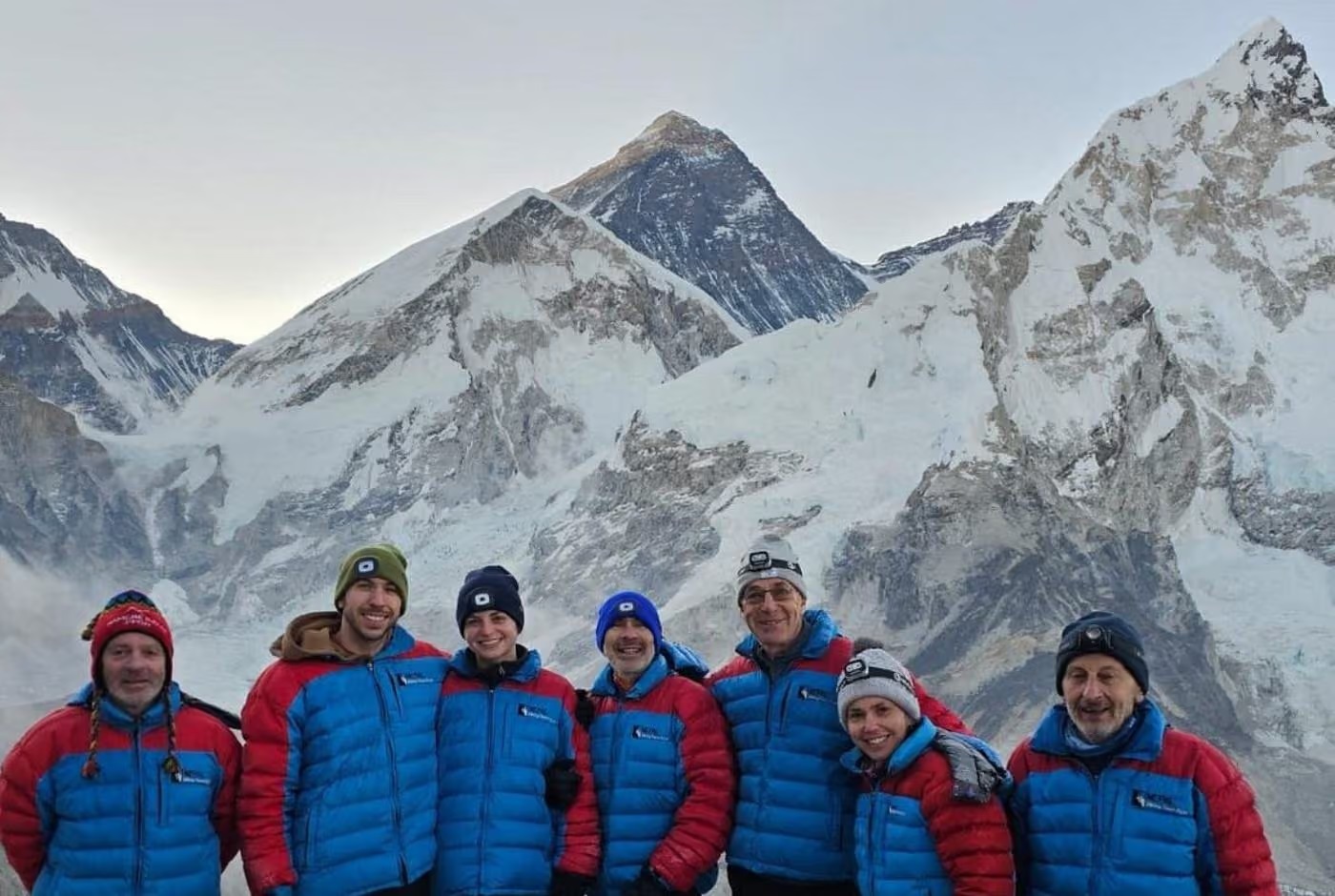
Two Mountain Adventures, Two Different Experiences
People often talk about Mount Kilimanjaro and Everest Base Camp in the same breath, but the two trips are quite different.
Kilimanjaro rises to 5,895 metres and is Africa’s highest mountain. The popular routes take climbers through changing ecosystems, starting in rainforest, then moorland, then alpine desert. The goal is Uhuru Peak. Get there and you’re standing on the highest point on the continent.
Everest Base Camp, at roughly 5,364 metres, gives you a different kind of achievement. You don’t climb Everest. You trek through Nepal’s Khumbu region to the foot of the world’s tallest mountain, passing Sherpa villages, Buddhist monasteries, suspension bridges and valleys ringed by Himalayan giants.
Both trips ask for preparation, stamina and respect for altitude. Still, Everest Base Camp usually means more days of steady walking, and many standard itineraries build in two important acclimatisation stops. For hikers used to African mountain expeditions, that difference is a big part of the appeal.
Why Everest Base Camp Appeals to Adventure Travellers
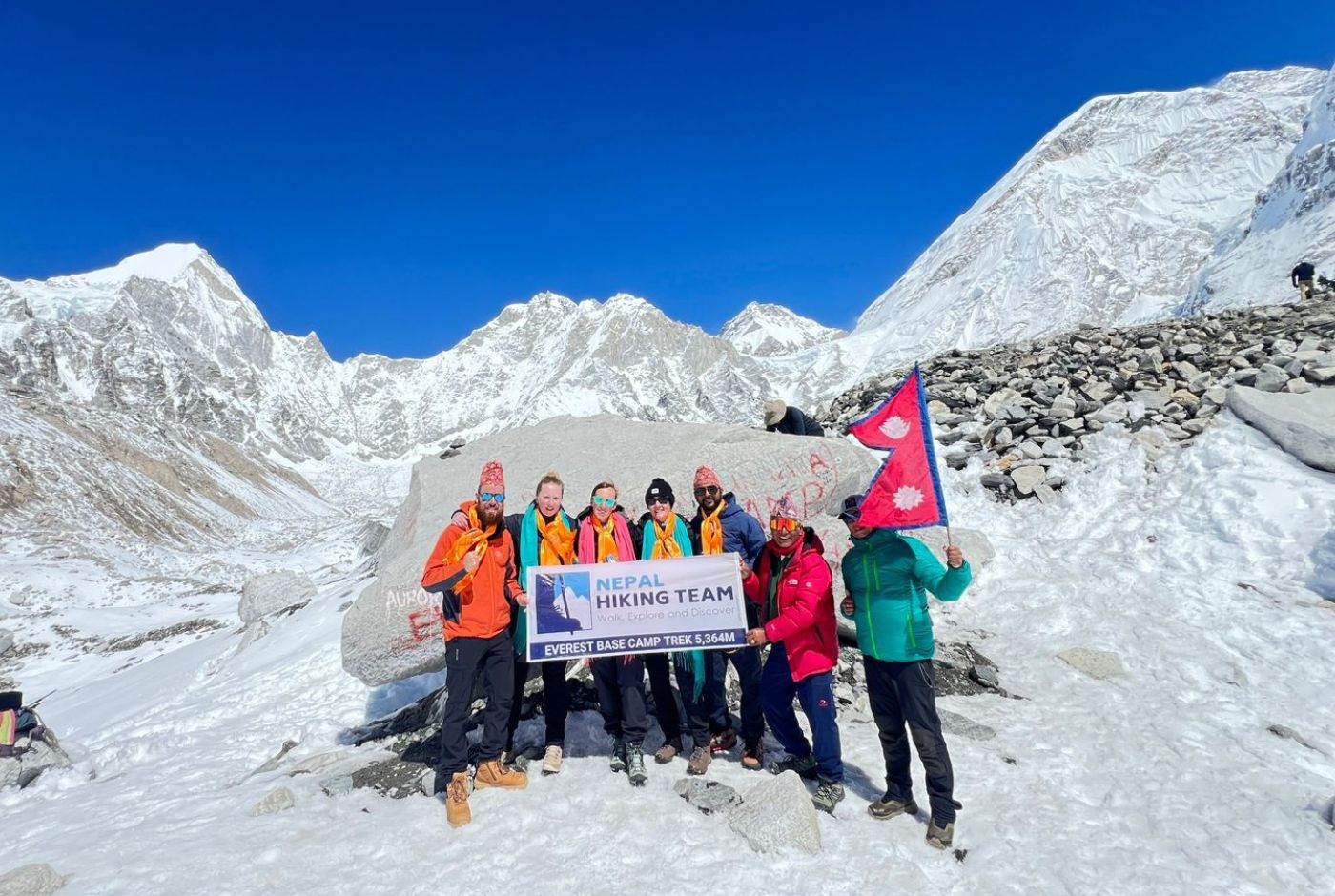
The Journey Is as Important as the Destination
On Kilimanjaro, every day moves you closer to one summit. In Nepal, the scenery is part of the adventure from the very first step. The classic Everest Base Camp route starts in Lukla, where trekkers drop into the Khumbu Valley. The trail follows the Dudh Koshi River, crosses a few suspension bridges and then climbs towards Namche Bazaar.
Namche sits at about 3,440 metres and works as the region’s main trading hub. Its hillside streets are packed with bakeries, trekking shops and traditional homes, and mountain views keep popping up between the buildings.
Farther on, the landscape shifts bit by bit. Forests thin out into open valleys, the villages get smaller and everything feels more remote. By the time you reach the upper Khumbu, the peaks take over almost every view.
A Different Mountain Culture
The Himalayan communities of Nepal add a human side to the trip that’s hard to match. The Khumbu is home to Sherpa communities, and their history is tied closely to Himalayan trade, Buddhist traditions and mountaineering. Along the trail you’ll see prayer flags, mani walls, monasteries and settlements shaped by generations of life at altitude. Tengboche is one stop people tend to remember. It’s known for its monastery and its views towards Ama Dablam and Everest. Moments like these help you understand the region beyond its famous peaks.
If you’re familiar with the communities around Mount Kenya or Kilimanjaro, the differences are fascinating. But there are similarities, too, in the role of local guides, the way people earn a living from the mountains and the respect for the environment.
Is Everest Base Camp Harder Than Kilimanjaro?
There’s no simple answer, because each trek throws up its own challenges. Kilimanjaro’s summit push can be brutal. Depending on the route, climbers may spend many hours going up overnight before they reach Uhuru Peak. Everest Base Camp generally doesn’t have a summit night like that. What it does have is day after day of hiking, often over rocky paths and uneven ground. A standard Everest Base Camp itinerary usually runs around 12 to 16 days, depending on where you start, how travel is arranged and how acclimatisation is scheduled.
Kilimanjaro routes commonly take five to nine days, though the longer ones usually give your body more time to adjust. The key point is that neither trek should be judged by its highest altitude alone. Acute mountain sickness can hit people on either route, no matter how fit they are or how much hiking they’ve done before. Climbing gradually, acclimatising properly, staying hydrated and spotting symptoms early all matter a lot. And it’s worth remembering that neither medication nor fitness guarantees you’ll avoid altitude illness.
How African Hikers Can Prepare for Nepal
Time on Mount Kenya or Kilimanjaro gives you a solid base for Himalayan trekking. People who regularly walk long distances tend to know rough terrain, unpredictable weather and how to pace themselves. Still, your preparation should match how long Everest Base Camp actually takes. Build endurance with regular hikes, hill climbs and walks with a daypack on your back. That helps the body cope with day after day of trekking. Strength work for the legs and core is useful too, especially for the long descents.
Gear deserves just as much thought. Some African mountains do get freezing conditions, but Himalayan trekking can mean long stretches of cold, particularly in early mornings and at higher settlements. Pack warm layers, a waterproof outer shell, comfortable trekking footwear and a sleeping bag that suits the conditions. Be ready for basic mountain accommodation as well. Above the bigger villages, facilities get more and more limited.
Choosing a Reliable Trekking Operator in Nepal
If you’re an international traveller who doesn’t know the Himalayas, the local organisation behind your trip makes a big difference. A well-run expedition should offer a realistic itinerary, experienced mountain guides, proper acclimatisation opportunities and clear procedures for dealing with illness or sudden weather changes. Nepal Hiking Team is a Kathmandu-based trekking company, established in 2009, that organises guided trips across Nepal’s main trekking regions.
Its Everest Base Camp Trek includes acclimatisation days in Namche Bazaar and Dingboche, so trekkers can adjust gradually as they head higher into the Khumbu. The company also arranges local guides, porter support, trekking accommodation and permits as part of its standard guided packages. Guides carry first-aid equipment and pulse oximeters, and health monitoring is part of how the company approaches trekking at altitude.
None of this removes the risks of high-altitude travel, but it does give you practical support along the way. You should still get proper insurance that covers high-altitude trekking and emergency helicopter evacuation.
When Is the Best Time to Trek in Nepal?
Spring and autumn are the main Everest trekking seasons. March to May generally brings milder conditions, and you might catch rhododendrons in flower at lower elevations. Skies can get cloudier as the season goes on. Late September to November is popular for clearer mountain views and fairly stable weather, although conditions can differ quite a bit from one year to the next.
Winter trekking is possible, but it gets severely cold at higher elevations. The summer monsoon brings more rain, more cloud and tougher conditions on some parts of the trail. For first-time visitors, spring and autumn usually strike the best balance between weather and trail access.
Beyond Everest: Other Himalayan Adventures
Everest Base Camp gets most of the international attention, but Nepal has plenty of other mountain journeys for different interests and experience levels. The Annapurna region packs in a huge range of landscapes, from subtropical valleys to mountain villages and high-altitude terrain. The Annapurna Circuit is a good fit for travellers who want a longer route with more cultural variety.
The Langtang Valley Trek, on the other hand, gets you into dramatic Himalayan scenery on a shorter trip from Kathmandu. If you’d rather keep the hiking moderate, the lower Annapurna foothills have traditional villages and panoramic viewpoints, which make a rewarding alternative to the higher expeditions.
With this much variety, hikers can pick an experience that fits their time, their fitness and how adventurous they’re feeling.
From Africa’s Highest Peak to the Foot of Everest
If you’ve already explored Kilimanjaro, Mount Kenya or other African mountain landscapes, Nepal gives you a chance to widen your idea of adventure travel. This isn’t about deciding which mountain is better. Kilimanjaro gives you the rush of going for Africa’s highest summit. Everest Base Camp is a longer journey through Himalayan landscapes and mountain communities.
Both take determination, careful preparation and humility in front of nature. The biggest reward may not be the altitude you reach, but the perspective you pick up along the way. For African hikers thinking about their next international adventure, the Himalayas are worth travelling halfway around the world for.

The Author All posts




No Comment